Nexeed
    • Introduction
    • Release notes
      • 2025.03.00
        • RC2
        • RC1
      • 2025.02.01
        • SP10
        • SP9
        • SP8
        • SP7
        • SP6
        • SP5
        • SP3
        • SP2
        • SP1
      • 2025.02.00
        • SP25
        • SP24
        • SP23
        • SP22
        • SP21
        • SP20
        • SP19
        • SP18
        • SP17
        • SP16
        • SP15
        • SP14
        • SP13
        • SP12
        • SP11
        • SP10
        • SP9
        • SP8
        • SP7
        • SP6
        • SP5
        • SP4
        • SP3
        • SP2
        • SP1
    • Getting started
      • Getting access
      • Login
      • Main screen
      • Welcome dashboard
      • Detecting process anomalies
      • Analyzing data and detecting event sequences
      • Analyzing KPIs
    • How-tos
      • Monitors on production lines
        • Configuring the automatic login in the Nexeed Industrial Application System
        • Configuring the automatic login to the identity provider with the Windows user
        • Setting cookies in the browser
        • Configuring the automatic logout in the Nexeed Industrial Application System
        • Configuring the command line parameters in the browser
        • Known limitations and troubleshooting
      • Try out the APIs
    • Integration guide
      • Underlying concepts
        • Underlying concepts
        • Onboarding
        • Security
        • Communication
      • Integration journey
      • Overview of APIs
    • Operations manual
      • Release
      • System architecture and interfaces
      • System requirements
        • Cluster requirements
        • Database requirements
        • Support for service meshes
      • Migration from previous Nexeed IAS versions
      • Setup and configuration
        • Deployment process
        • Deployment with Helm
        • Advanced configuration
        • Integrations with external secret management solutions
        • Context paths
        • Service accounts and authorizations
        • Validation tests
        • Setup click once
        • Database user setup and configuration
      • Start and shutdown
      • Regular operations
        • User management & authentication
        • How to add additional tenants
        • How to access the cluster and pods
        • Automatic module role assignments in customer tenants
        • User credentials rotation - database and messaging secrets
      • Failure handling
        • Failure handling guidelines
        • Ansible operator troubleshooting
        • How to reach BCI for unresolved issues
      • Backup and restore
      • Logging and monitoring
        • The concept and conventions
        • ELK stack
        • ELK configurations aspects for beats
        • Proxy setup for ELK
        • Health endpoints configurations
      • Known limitations
      • Supporting functions
      • Security recommendations
        • Kubernetes
        • Security Best Practices for Databases
        • Certificates
        • Threat detection tools
    • Infrastructure manual
      • Release
      • System architecture and interfaces
        • RabbitMQ version support
      • System requirements
      • Migration from previous Nexeed infrastructure versions
      • Setup and configuration
        • Deployment process of the Nexeed infrastructure Helm chart
        • Deployment with Helm
      • Start and shutdown
      • Regular operations
        • RabbitMQ
          • User management & authentication
          • Disk size change
          • Upgrade performance with high performant disk type
          • Pod management policy
      • Failure handling
        • Connection failures
        • Data safety on the RabbitMQ side
        • Fix RabbitMQ cluster partitions
        • Delete unsynchronized RabbitMQ queues
        • How to reach BCI for unresolved issues
      • Backup and restore
      • Logging and monitoring
      • Known limitations
    • Training
    • Glossary
    • Further information and contact
Industrial Application System
  • Industrial Application System
  • Core Services
    • Block Management
    • Deviation Processor
    • ID Builder
    • Multitenant Access Control
    • Notification Service
    • Ticket Management
    • Web Portal
  • Shopfloor Management
    • Andon Live
    • Global Production Overview
    • KPI Reporting
    • Operational Routines
    • Shift Book
    • Shopfloor Management Administration
  • Product & Quality
    • Product Setup Management
    • Part Traceability
    • Process Quality
    • Setup Specs
  • Execution
    • Line Control
    • Material Management
    • Order Management
    • Packaging Control
    • Rework Control
  • Intralogistics
    • AGV Control Center
    • Stock Management
    • Transport Management
  • Machine & Equipment
    • Condition Monitoring
    • Device Portal
    • Maintenance Management
    • Tool Management
  • Enterprise & Shopfloor Integration
    • Archiving Bridge
    • Data Publisher
    • Engineering UI
    • ERP Connectivity
    • Gateway
    • Information Router
    • Master Data Management
    • Orchestrator

Nexeed Learning Portal

  • Industrial Application System
  • Getting started
  • Login
preview 2025.03.00

Login

The standard approach to log into the system is the login dialog. Some environments use additional identity providers like Microsoft Entra ID or SingleKey ID. If external identity providers are set as the default or only login method, a redirect is initiated automatically.

Login form

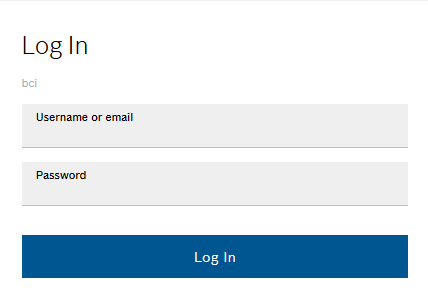
  1. Open the provided URL.

    The dialog window opens.
    portal_log-in
  2. Enter the user credentials.

  3. Click on Log In.

The main screen of Web Portal opens.

Microsoft Entra ID or similar

In enterprise environments, active directory services are widely used for convenience and SSO capability. Nexeed Industrial Application System supports manual or automatic login via Browser-SSO.

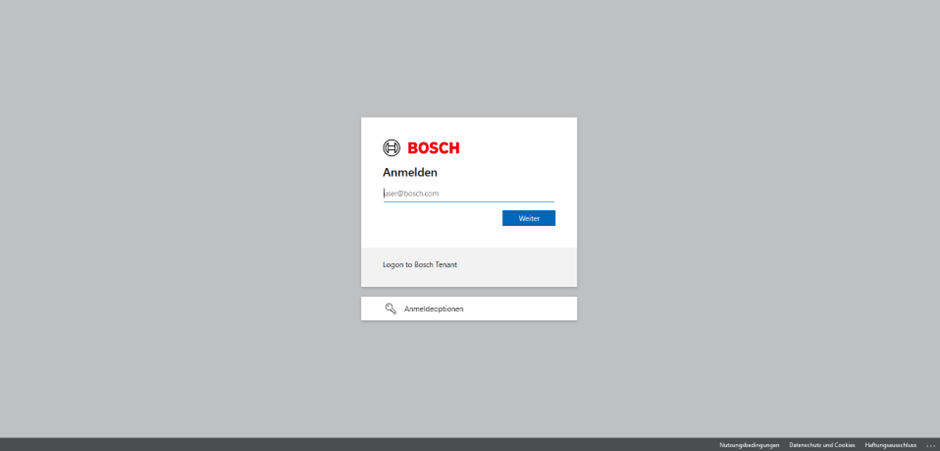
  1. Open the provided URL.

    The browser redirects to the login screen of the identity provider.
    entra-login
  2. Enter the user credentials.

  3. Click on Continue.

The main screen of Web Portal opens.
SingleKey ID

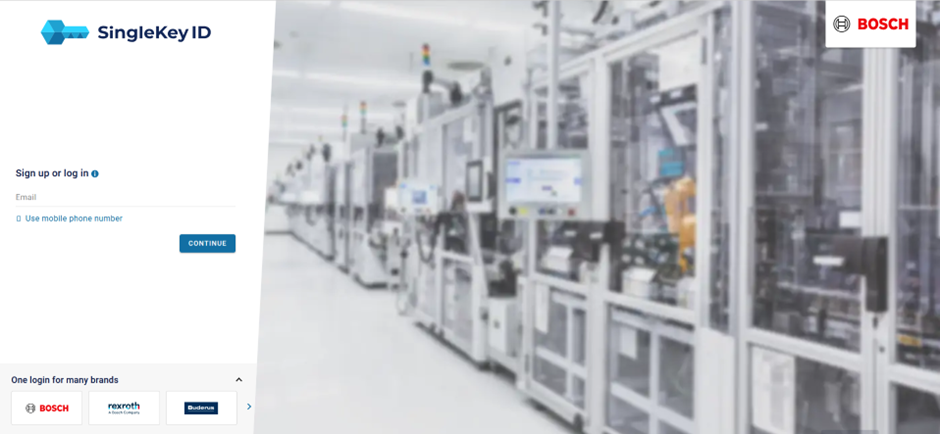
Bosch and related brands use Single Key as public authentication provider.

  1. Open the provided URL.

    The browser redirects to the login screen of SingleKey ID.

    portal login singlekey
  2. Enter the user credentials.

  3. Click on Continue.

The main screen of Web Portal opens.

Contents

© Robert Bosch Manufacturing Solutions GmbH 2023-2025, all rights reserved

Changelog Corporate information Legal notice Data protection notice Third party licenses